
gete a quote
Scratching sounds above your ceiling at night? Droppings in the kitchen or gnaw marks near your garage? These signs may point to a rat problem that needs more than a few traps.
Effective rat control starts with finding out where rats are active, how they entered, and what is attracting them. At Rat Pest Control Brisbane, the aim is to address the current problem while helping reduce the risk of another infestation. Here is what a thorough inspection, treatment, and prevention process involves.
Step 1: Find Out Where Rats Are Hiding
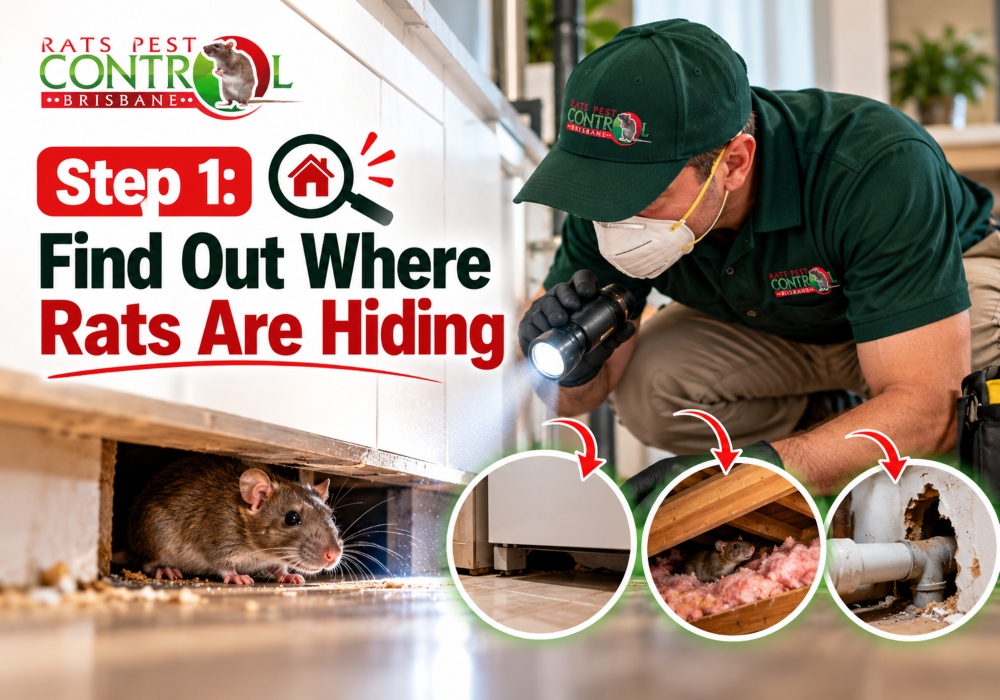
The first step in rat control Brisbane homeowners can rely on is a property inspection. A technician looks for evidence of rat activity and identifies areas that need attention.
Common inspection points include:
- Roof cavities, ceilings and accessible roofline areas
- Kitchens, pantries, garages and storage spaces
- Droppings, gnaw marks, nesting materials and unusual odours
- Gardens, rubbish bins, sheds and other outdoor areas
For example, scratching in the ceiling combined with droppings near a garage may indicate that rats are using different parts of the property. Identifying these signs helps guide the next steps.
Step 2: Identify Entry Points and Attractants
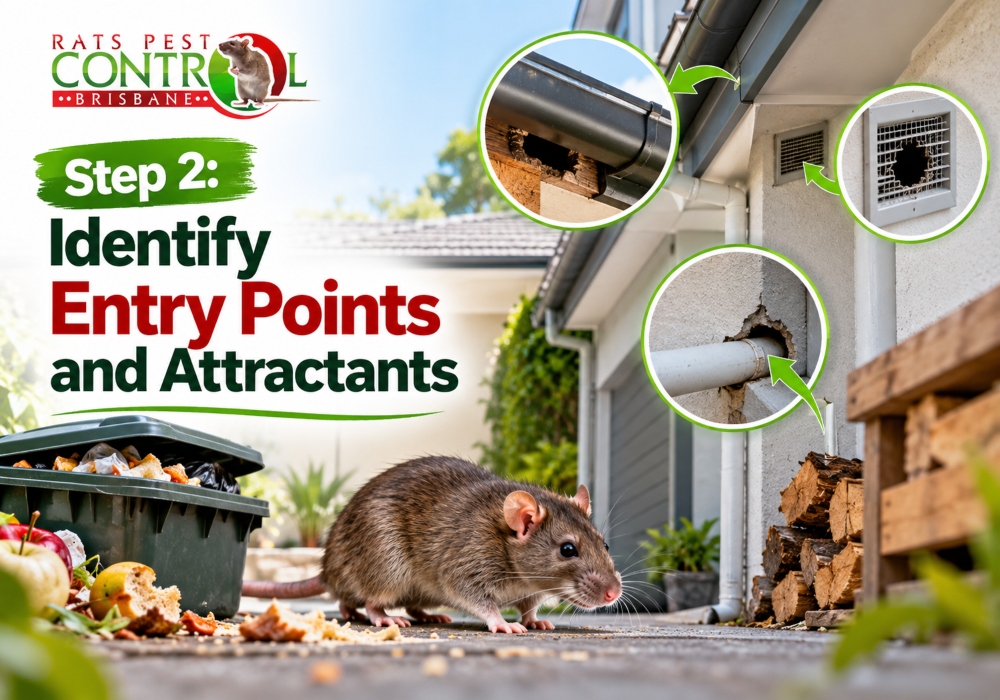
Finding rats is only part of the job. The next step is understanding how they are getting inside and what allows them to stay.
Technicians look for gaps around pipes, damaged vents, openings near rooflines and other potential access points. Overhanging branches, uncovered rubbish bins, pet food and accessible food waste can also attract rodents.
This matters because treating the rats without addressing access points may leave the property vulnerable to another infestation. A useful inspection should identify both the immediate problem and the conditions that may be contributing to it.
Step 3: Choose the Right Rat Treatment
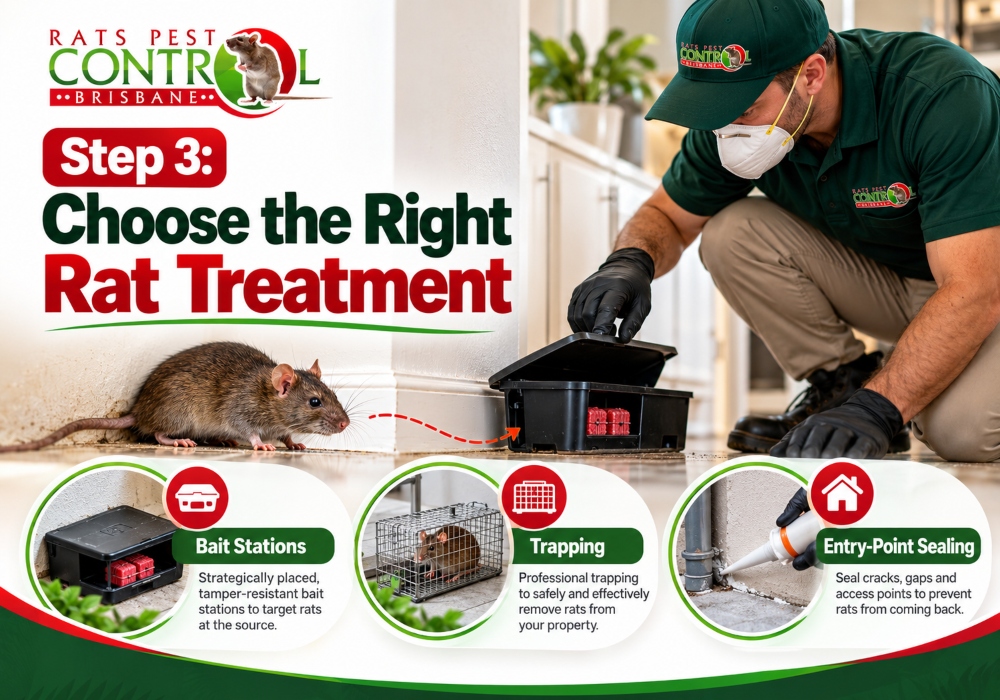
There is no single treatment that suits every property. The appropriate method depends on the level of activity, the location of the rats, access restrictions, and the presence of children or pets.
Professional rat removal Brisbane may use suitable traps, secured bait stations or a combination of methods, depending on the inspection findings.
Before treatment, discuss any concerns about pets, children, food storage or areas that must remain accessible. The technician should explain the proposed approach, necessary precautions, and what you can expect after the visit.
For businesses, the plan may also need to account for food preparation areas, stockrooms, staff access, and trading hours. These details help make treatment more practical without overlooking hygiene risks.
Step 4: Check Whether the Treatment Is Working
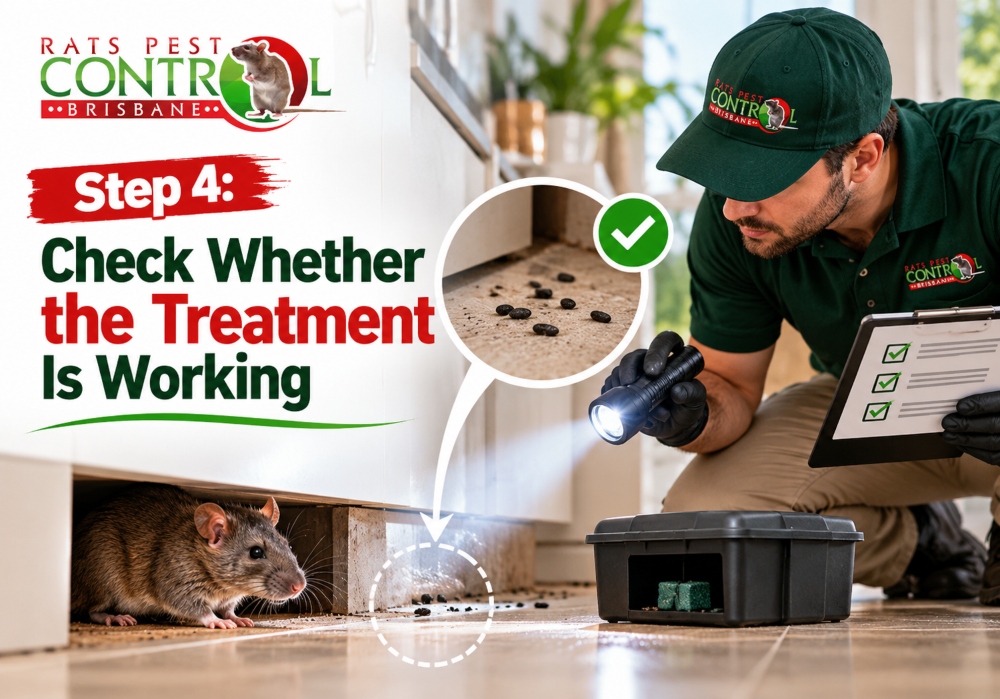
Rat control does not always end when the initial treatment is complete. Activity may continue for a period, depending on the infestation and the methods used.
Follow-up checks can help establish whether signs of activity are decreasing, whether treatment needs adjustment, and whether new evidence points to an unresolved entry point.
Homeowners should report continued scratching, fresh droppings, or new gnaw marks rather than assuming the first visit has failed. These details help the technician assess what is happening and determine the next step.
A clear follow-up plan also helps set realistic expectations. The time needed to bring an infestation under control varies with the property and the severity of the problem.
Step 5: Prevent Rats From Returning
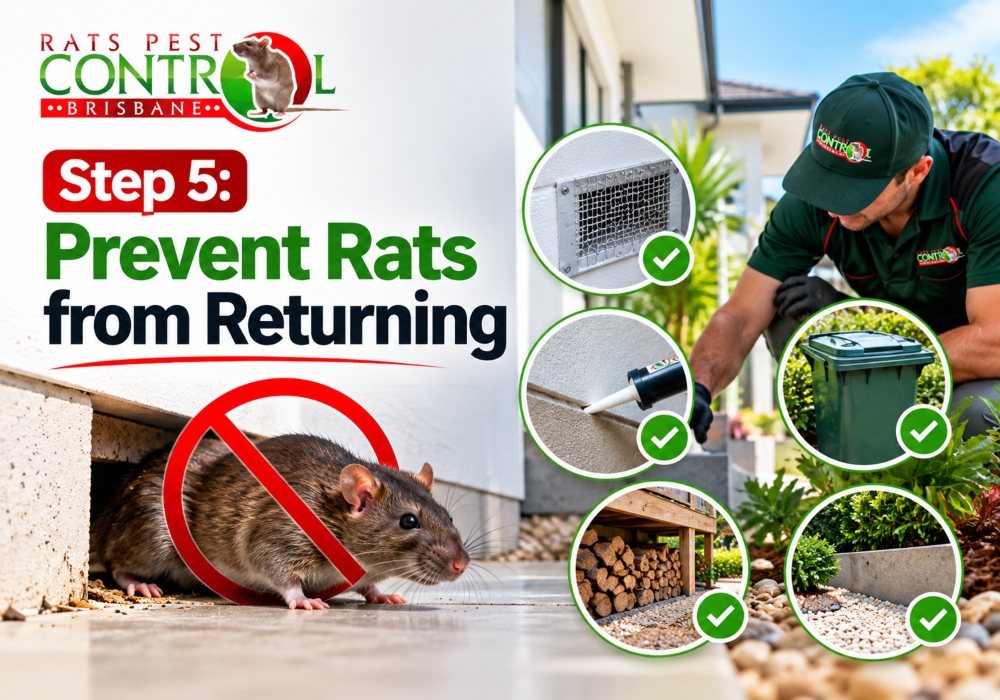
Long-term prevention combines professional advice with practical changes around your property.
Use this checklist to reduce common rat attractants:
- Store food and pet food in sealed containers.
- Keep rubbish bins covered and clean up food waste promptly.
- Remove clutter that provides shelter in garages, sheds and gardens.
- Repair suitable gaps around doors, vents, pipes and rooflines.
- Trim branches that provide access to the roof where practical.
- Arrange appropriate repairs for damaged wiring, pipes or building materials.
For lasting rodent control Brisbane property owners should also address any structural issues identified during inspection. Some repairs may require a roofer, builder or other qualified tradesperson, so confirm what is included in the pest control service.
When Should You Call a Rat Control Professional?
Consider professional help if you repeatedly hear noises in the roof, find fresh droppings, notice damaged electrical cables, or see rats entering living spaces. Businesses should also act promptly when rodents threaten food storage, hygiene, or daily operations.
If you are searching for “rats pest control near me”, choose a service that explains its inspection process, treatment options, and prevention recommendations. Rat Pest Control Brisbane offers emergency services and free, no-obligation quotes, making it easier to discuss your situation and arrange an assessment.
Do not wait for more damage before investigating repeated signs of rat activity. An inspection can help clarify the problem and identify appropriate next steps.
Frequently Asked Questions
Can rats return after professional treatment?
Yes. Rats may return if entry points remain open or food and shelter are readily available. Prevention and suitable follow-up help reduce this risk.
Should I clean rat droppings before the technician arrives?
Avoid sweeping or vacuuming droppings while dry, as this can stir contaminated dust into the air. Ask your pest controller for preparation advice and follow appropriate public health cleaning guidance.
Can rats chew through electrical wires and water pipes?
Yes. Rats can gnaw electrical wiring, plastic pipes and hoses, potentially causing damage. If you suspect damaged wiring, avoid touching it and contact a qualified electrician.
Is professional rat control suitable for businesses?
Yes. Treatment can be planned around commercial needs, including food storage, hygiene, stock protection, and operational access. Ask about ongoing monitoring if rodent activity keeps returning.